5 Childhood Emergencies Every Parent Should Know How to Handle
March 13, 2026
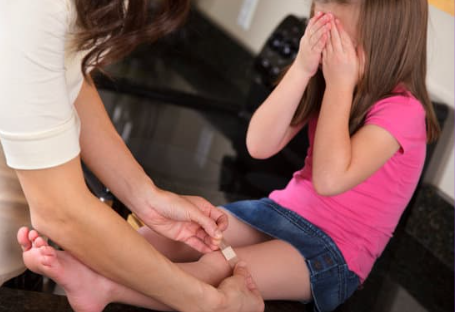
Children are naturally curious. They explore the world with their hands, their mouths, and their boundless energy. While this curiosity is a beautiful part of childhood, it also means that accidents can happen quickly and often without warning.
For parents and caregivers, those first few moments during an emergency can feel overwhelming. Many people worry they will panic or not know what to do. The truth is that most childhood emergencies happen in everyday environments like the home, playground, or school and having a basic understanding of first aid can make a powerful difference.
Learning how to respond calmly and confidently can help protect a child while waiting for professional medical help. Here are five common childhood emergencies every parent should know how to handle, and some practical guidance on what to do if they occur.
- Choking
Choking is one of the most frightening emergencies a parent can face. Babies and young children explore their world by putting objects into their mouths, which makes them particularly vulnerable to choking.
Common choking hazards
Many everyday items can become choking risks for young children. Some of the most common include:
- Grapes and cherry tomatoes
- Nuts and popcorn
- Coins and small toys
- Hard sweets
- Pieces of hot dog or sausage
Children under five years old are especially at risk because their airways are small and their chewing skills are still developing.
Signs a child may be choking
A child who is choking may show some of the following signs:
- Difficulty breathing
- Silent coughing or ineffective coughing
- High-pitched sounds when trying to breathe
- Clutching the throat
- Bluish lips or skin
- Inability to cry or speak
What parents should do
If a child is coughing effectively, encourage them to keep coughing. Coughing is the body’s natural way of clearing the airway.
If the child cannot breathe, cry, or cough effectively, immediate action is required. First aid techniques such as back blows and chest thrusts for infants, or abdominal thrusts for older children, can help dislodge the obstruction.
Emergency services should be contacted immediately if the obstruction does not clear quickly or if the child becomes unconscious.
The most effective way to feel confident performing these techniques is through hands-on first aid training where parents can practice the skills in a safe learning environment.
- Burns and Scalds
Burns and scalds are among the most common household injuries in children. Young children are especially vulnerable because they are often at the same height as stovetops, kettles, and hot drinks placed on tables.
Common causes of burns in children
In many homes, burns occur from simple everyday activities such as:
- Pulling a cup of hot tea or coffee off a table
- Touching a hot stove or oven door
- Hot bath water
- Steam from kettles or pots
- Contact with irons or heaters
Because children’s skin is thinner than adults’, burns can become severe very quickly.
First aid for burns
If a child suffers a burn, the first step is to cool the burn immediately.
Place the burned area under cool running water for at least 20 minutes if possible. Cooling helps reduce the depth of the burn and can significantly improve healing outcomes.
A few important things to remember:
- Do not apply butter, toothpaste, or home remedies.
- Remove tight clothing or jewellery near the burn if it is safe to do so.
- Cover the burn with a clean, non-stick dressing or cloth.
- Seek medical attention for large, blistering, or deep burns.
Burn prevention is also an important part of home safety. Simple measures like keeping hot drinks out of reach and checking bath water temperature can reduce the risk significantly.
- Falls and Head Injuries
Children are active, energetic, and often fearless. From climbing playground equipment to jumping off furniture, falls are a common part of childhood.
While many falls result in minor bumps and bruises, some can lead to more serious injuries, particularly when the head is involved.
Common causes of falls
Some of the most common scenarios include:
- Falling from beds or couches
- Falling down stairs
- Playground accidents
- Bicycle or scooter falls
- Slipping on wet surfaces
Signs of a possible head injury
If a child hits their head during a fall, it is important to monitor them carefully. Seek medical advice if you notice:
- Vomiting
- Severe headache
- Drowsiness or difficulty waking
- Confusion or unusual behaviour
- Loss of consciousness
- Fluid or blood coming from the ears or nose
If any of these symptoms occur, medical attention should be sought immediately.
What parents should do
For minor bumps, applying a cold compress or ice pack wrapped in cloth can help reduce swelling.
Children should be monitored closely for several hours after a head injury, as symptoms of concussion may appear later.
Preventative measures such as stair gates, window guards, and supervising play can help reduce the risk of falls.
- Poisoning and Accidental Ingestion
Young children are naturally curious and often explore the world by tasting things. Unfortunately, this curiosity can sometimes lead to accidental poisoning.
Many common household products can be dangerous if swallowed.
Common poisoning risks
Items that frequently cause poisoning incidents include:
- Household cleaning products
- Medications
- Cosmetics and personal care products
- Garden chemicals and pesticides
- Alcohol or nicotine products
Even small amounts can be harmful to children.
Signs of poisoning
Symptoms may vary depending on the substance but could include:
- Nausea or vomiting
- Drooling or difficulty swallowing
- Drowsiness or confusion
- Burns around the mouth
- Unusual smells on the breath
What parents should do
If poisoning is suspected:
- Stay calm and keep the child safe.
- Do not force the child to vomit.
- Identify the substance if possible.
- Contact emergency medical services or a poison information centre.
Keeping medications and chemicals locked away and out of reach is one of the most effective prevention strategies.
Child-resistant containers help, but supervision and safe storage remain essential.
- Breathing Emergencies
Breathing emergencies can occur for several reasons, including severe allergic reactions, asthma attacks, infections, or drowning incidents.
These emergencies require rapid recognition and action.
Signs a child may be struggling to breathe
Watch for warning signs such as:
- Rapid or laboured breathing
- Wheezing or noisy breathing
- Chest retractions (the skin pulling in between the ribs)
- Blue lips or fingertips
- Extreme tiredness or confusion
A child who is struggling to breathe needs urgent medical attention.
What parents should do
Encourage the child to sit upright and try to remain calm. If the child has a known condition such as asthma, assist them with their prescribed medication if available.
Emergency services should be contacted immediately if breathing does not improve.
In severe cases where a child stops breathing or becomes unresponsive, CPR may be required until professional help arrives.
Learning CPR and first aid can provide parents with the confidence to respond effectively in these critical moments.
Knowledge Builds Confidence
Many parents worry that they might panic in an emergency or not know what to do. These feelings are completely normal.
The good news is that first aid skills are practical, learnable, and empowering. With the right training, parents and caregivers can gain the confidence to act quickly and safely during emergencies.
First aid courses designed specifically for parents focus on the most common childhood emergencies, including choking, CPR, burns, allergic reactions, and breathing emergencies.
The goal is not to replace medical professionals, but to provide parents with the skills to bridge the gap until help arrives.
Creating a Safer Environment for Children
While accidents cannot always be prevented, small changes in the home can significantly reduce risk.
Some simple safety steps include:
- Keeping small objects out of reach of young children
- Storing medication and chemicals in locked cupboards
- Supervising young children during meals
- Installing stair gates and window guards
- Keeping hot drinks away from the edges of tables
Awareness and preparation play a powerful role in protecting children.
Prepared Parents / Caregivers Save Lives
Emergencies involving children are every parent’s fear. But knowledge and preparation can transform fear into confidence.
Understanding how to respond to common emergencies such as choking, burns, falls, poisoning, and breathing difficulties can help parents act quickly and calmly when it matters most.
Learning these skills is not just about responding to emergencies, it is about creating safer environments and feeling empowered as a caregiver.
Every parent hopes they will never need to use these skills. But knowing what to do can make all the difference when seconds count.