
Mental Health Awareness: Understanding the Importance of Mental Wellbeing in Today’s World
May 12, 2026
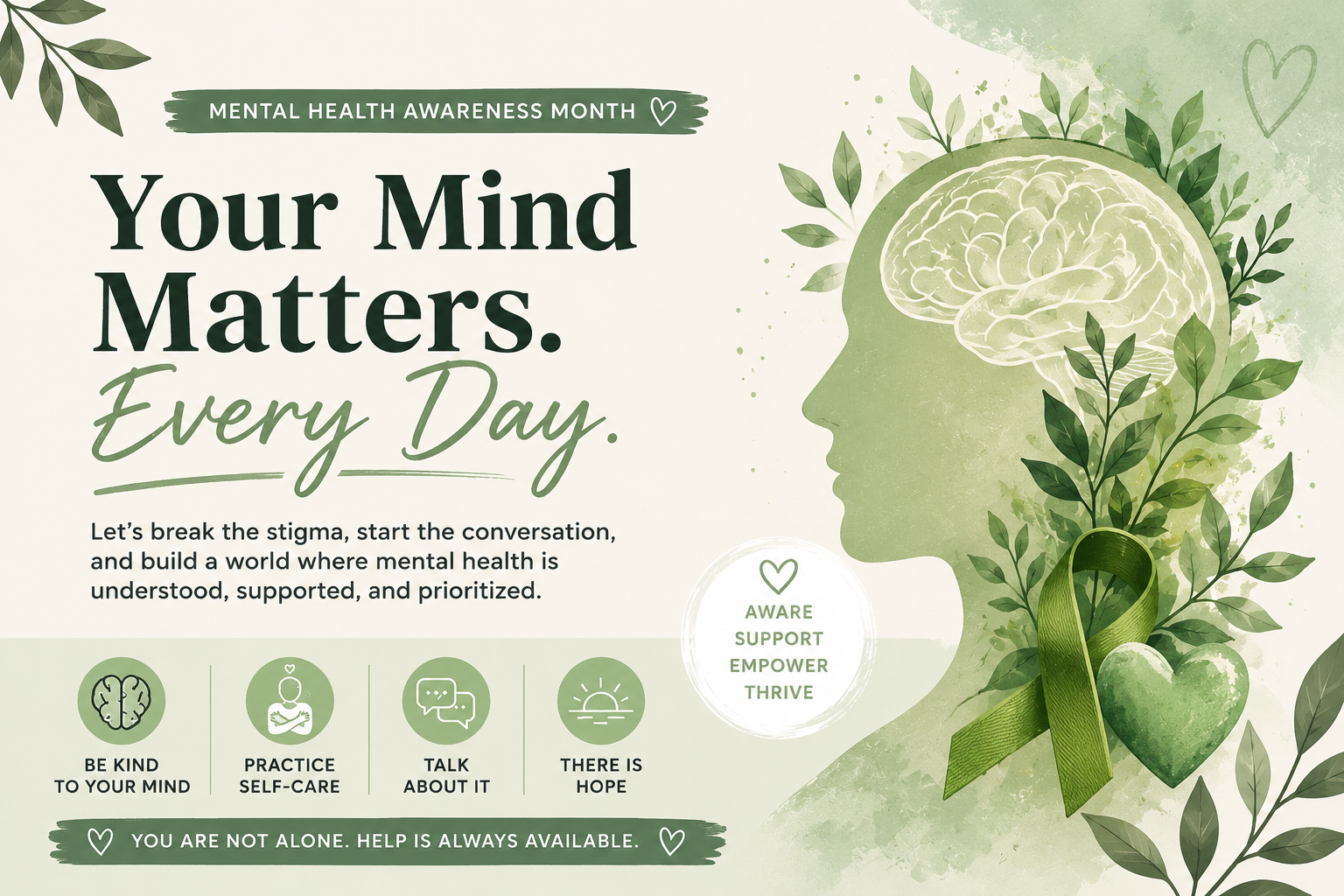
In recent years, conversations around mental health have become more visible across communities, workplaces, schools, healthcare settings, and social platforms. While this progress is encouraging, many individuals still struggle silently with emotional and psychological difficulties due to fear, stigma, lack of understanding, or limited access to support. Mental Health Awareness Month serves as an important reminder that mental health is a vital part of human wellbeing and deserves continuous attention, compassion, education, and support.
At Emotiontal Assessment and Therapy Centre, we believe that mental wellness is not simply the absence of illness, but the presence of emotional balance, healthy coping skills, supportive relationships, resilience, self-awareness, and the ability to function meaningfully in everyday life.
What Is Mental Health?
Mental health refers to a person’s emotional, psychological, and social wellbeing. It influences how individuals think, feel, behave, cope with stress, relate to others, and make decisions. Good mental health allows people to navigate life’s challenges, maintain relationships, work productively, and contribute positively to their communities.
Mental health exists on a spectrum. Every individual experiences periods of emotional difficulty at some point in life. Experiencing stress, sadness, grief, fear, frustration, or emotional exhaustion does not automatically mean a person has a mental illness. However, when emotional struggles become persistent, overwhelming, or begin interfering with daily functioning, professional support may be necessary.
Mental health conditions can include:
- Anxiety disorders
- Depression
- Trauma-related disorders
- Substance and alcohol-related disorders
- Bipolar disorder
- Personality disorders
- Eating disorders
- Burnout and chronic stress
- Grief and adjustment difficulties
These conditions can affect people differently and vary in severity. Importantly, mental health challenges are treatable, and recovery is possible with appropriate support and intervention.
Why Mental Health Awareness Matters
Mental health awareness plays a crucial role in educating society, reducing stigma, encouraging early intervention, and promoting access to care. For many years, mental health was misunderstood, ignored, or treated as a taboo subject. Individuals experiencing emotional distress were often judged, isolated, or discouraged from speaking openly about their struggles.
Awareness initiatives help society understand that mental health difficulties are human experiences rather than personal failures. They encourage compassion instead of judgment and support instead of silence.
Mental health awareness is important because it:
- Encourages people to seek help early
- Reduces shame and stigma surrounding therapy and mental illness
- Promotes emotional literacy and self-awareness
- Educates communities about signs and symptoms
- Encourages healthy coping strategies
- Supports suicide prevention efforts
- Improves workplace and school wellbeing
- Strengthens families and communities
When individuals feel safe discussing their emotional experiences, they are more likely to seek assistance before their difficulties escalate into crises.
The Impact of Stigma
One of the greatest barriers to mental healthcare remains stigma. Many people avoid seeking psychological support because they fear being labeled as “weak,” “crazy,” or “attention-seeking.” Cultural beliefs, social expectations, and misinformation often contribute to these harmful attitudes.
Stigma can lead to:
- Isolation and loneliness
- Delayed treatment
- Emotional suppression
- Increased stress and anxiety
- Poor self-esteem
- Worsening mental health symptoms
Men, in particular, are often socialized to suppress emotions and avoid vulnerability, leading many to suffer silently. Similarly, children and adolescents may struggle to express emotional difficulties because they fear punishment, misunderstanding, or rejection.
Breaking stigma begins with open conversations, education, empathy, and creating environments where people feel emotionally safe.
Common Signs That Someone May Need Support
Mental health struggles can appear differently from person to person. While some individuals openly express distress, others may hide their emotions or show subtle behavioural changes.
Common warning signs may include:
- Persistent sadness or hopelessness
- Excessive worry or anxiety
- Mood swings or irritability
- Withdrawal from family and friends
- Difficulty concentrating
- Changes in sleeping or eating patterns
- Loss of motivation or interest
- Fatigue and emotional exhaustion
- Increased substance use
- Decline in work or academic performance
- Thoughts of self-harm or suicide
Recognizing these signs early can make a significant difference in a person’s recovery journey.
The Importance of Therapy and Psychological Support
Therapy provides individuals with a safe, confidential, and non-judgmental space to process emotions, develop coping skills, improve relationships, and better understand themselves. Psychological support can help people navigate trauma, grief, stress, relationship difficulties, life transitions, identity challenges, and many other emotional experiences.
Seeking therapy does not mean a person is weak or incapable. In fact, it demonstrates courage, insight, and a willingness to heal and grow.
Different forms of therapy may include:
- Individual therapy
- Family therapy
- Couples counselling
- Group therapy
- Trauma-focused interventions
- Cognitive Behavioural Therapy (CBT)
- Psychodynamic therapy
- Dialectical Behaviour Therapy (DBT)
- Psychoeducation and skills development
Mental healthcare should be viewed in the same way as physical healthcare. Just as people seek medical treatment for physical illnesses, they should feel comfortable seeking psychological support for emotional distress.
Mental Health in the Workplace
Workplace stress and burnout have become increasingly common in modern society. Long working hours, financial pressures, job insecurity, unrealistic expectations, and poor work-life balance can significantly affect employees’ mental wellbeing.
Poor mental health in the workplace can lead to:
- Reduced productivity
- Increased absenteeism
- Burnout
- Conflict among employees
- Low morale
- Emotional exhaustion
Organizations have a responsibility to create psychologically safe working environments where employees feel supported, respected, and valued. Employee Wellness Programmes (EAPs), stress management interventions, counselling services, and mental health education can contribute positively to workplace wellbeing.
Mental Health Among Children and Adolescents
Children and adolescents also experience emotional and psychological difficulties, although their symptoms may look different from those of adults. Academic pressure, bullying, trauma, family conflict, social challenges, and developmental difficulties can all affect young people’s mental health.
Some children may express emotional distress through:
- Aggression or irritability
- Withdrawal
- Academic decline
- Attention difficulties
- Excessive fears
- Behavioural challenges
- Physical complaints without medical causes
Early identification and intervention are extremely important. Providing emotional support to children helps build resilience, healthy coping skills, emotional intelligence, and long-term wellbeing.
Self-Care and Emotional Wellness
Self-care is an important aspect of maintaining good mental health. While self-care alone may not replace therapy or professional treatment, it plays a valuable role in emotional regulation and stress management.
Healthy self-care practices may include:
- Getting enough rest and sleep
- Exercising regularly
- Eating balanced meals
- Spending time with supportive people
- Setting healthy boundaries
- Engaging in hobbies and enjoyable activities
- Practicing mindfulness and relaxation techniques
- Reducing exposure to toxic environments
- Seeking support when overwhelmed
Self-care is not selfish. Taking care of one’s mental health allows individuals to function more effectively and support others in healthier ways.
The Role of Community and Support Systems
Healing often happens in connection with others. Families, schools, workplaces, religious institutions, healthcare providers, and communities all play a role in supporting mental wellbeing.
Simple acts such as listening without judgment, checking in on loved ones, encouraging therapy, and offering emotional support can make a meaningful difference in someone’s life.
Communities that prioritize mental health create environments where individuals feel seen, heard, and valued.
Moving Forward Together
Mental Health Awareness Month is more than a campaign — it is a call for compassion, education, advocacy, and action. Mental health should not only be discussed during one month of the year, but continuously prioritized within families, communities, workplaces, and institutions.
At Emotiontal Assessment and Therapy Centre, we remain committed to promoting emotional wellness, providing professional psychological support, and creating safe spaces for healing and growth. We believe that every individual deserves access to compassionate mental healthcare and the opportunity to live a healthier, more balanced life.
As we continue to raise awareness, let us remember:
- It is okay not to be okay.
- Seeking help is a sign of strength.
- Healing is possible.
- No one should suffer alone.
Your mental health matters.
Today, tomorrow, and every day.