
Beyond the Pink Ribbon: Understanding the Emotional Journey of Breast Cancer
October 23, 2026
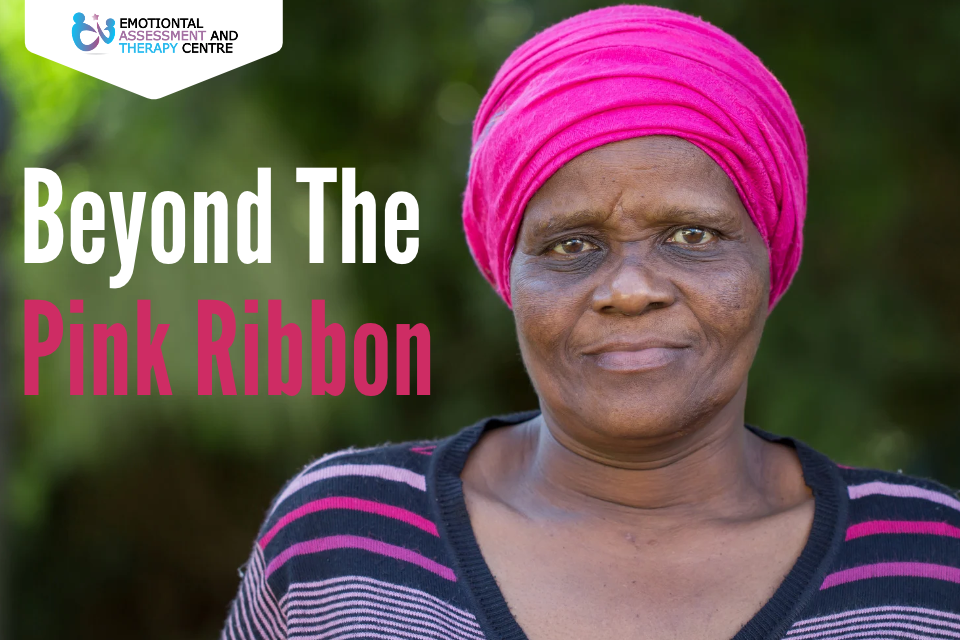
Breast Cancer Awareness Month | October 2026
Exploring the psychological, emotional, and social impact of breast cancer, from diagnosis and treatment to survivorship and recovery.
Introduction: Breast Cancer Is More Than a Physical Diagnosis
Every October, Breast Cancer Awareness Month brings communities together to raise awareness about breast cancer, encourage early detection, promote education, and show support for individuals affected by the disease. Pink ribbons, awareness campaigns, fundraising initiatives, and messages of hope become visible reminders of the importance of breast health.
However, beyond the pink ribbons and awareness activities lies a deeply personal experience that is not always fully understood: the emotional and psychological journey of living with breast cancer.
A breast cancer diagnosis can change how a person sees their body, relationships, future, and sense of identity. It may introduce feelings of uncertainty, fear, sadness, anger, vulnerability, and emotional exhaustion. These experiences can occur alongside the physical demands of medical treatment, creating challenges that extend far beyond the disease itself.
For many individuals, breast cancer is not only a medical condition requiring physical treatment. It is also a life-changing experience that may influence psychological well-being, family relationships, self-esteem, social functioning, and everyday life.
While medical professionals focus on diagnosing and treating the disease, the emotional consequences of breast cancer deserve equal recognition and attention.
It is important to understand that there is no single emotional response to breast cancer. Some individuals may experience significant distress, while others may feel relatively emotionally stable. Some may find strength in their relationships and support systems, while others may struggle with isolation or uncertainty.
Every breast cancer journey is different, and every emotional response deserves understanding, compassion, and appropriate support.
This Breast Cancer Awareness Month, we look beyond the pink ribbon to explore the emotional realities of breast cancer, the psychological challenges individuals may experience, and the importance of mental health support throughout diagnosis, treatment, and recovery.
Understanding the Psychological Impact of a Breast Cancer Diagnosis
Receiving a breast cancer diagnosis can be an emotionally overwhelming experience.
For many individuals, the word “cancer” immediately brings concerns about survival, treatment, physical changes, family responsibilities, and the future. Even when breast cancer is detected early and treatment options are available, the diagnosis may create significant psychological uncertainty.
A person may experience a range of emotional reactions, including shock, disbelief, fear, sadness, anger, confusion, or emotional numbness.
These reactions are often understandable responses to receiving unexpected and potentially life-changing medical information.
Some individuals may initially struggle to process what their diagnosis means. They may find themselves repeatedly thinking about conversations with healthcare professionals, questioning whether they understood the information correctly, or worrying about what will happen next.
Others may become focused on practical responsibilities, such as arranging medical appointments, informing family members, managing employment commitments, or considering treatment options.
This practical focus can sometimes create the impression that the individual is coping well, even when they are experiencing significant emotional distress internally.
Psychologically, receiving a serious medical diagnosis can challenge a person’s sense of predictability and control.
Before diagnosis, an individual may have experienced their health and future as relatively stable. Following diagnosis, uncertainty about treatment outcomes and possible changes in daily life can make the future feel less predictable.
This disruption can contribute to anxiety, heightened emotional sensitivity, difficulty concentrating, and changes in sleep.
However, experiencing these reactions does not automatically indicate the presence of a psychological disorder.
Emotional distress following a cancer diagnosis may be part of a normal adjustment process. Professional support becomes particularly important when symptoms are persistent, severe, or significantly interfere with daily functioning.
The Emotional Stages of Living With Breast Cancer
The emotional journey of breast cancer is sometimes described in stages, beginning with diagnosis and continuing through treatment, recovery, and survivorship.
However, it is important to recognise that emotional adjustment does not follow a fixed sequence.
Individuals may move between different emotions, experience several feelings simultaneously, or revisit earlier concerns as their circumstances change.
A person who initially feels hopeful may later experience anxiety during treatment. Someone who feels overwhelmed at diagnosis may gradually develop confidence as they gain a clearer understanding of their medical care.
There is no correct way to feel after receiving a breast cancer diagnosis.
Shock, Disbelief, and Emotional Numbness
One of the first reactions some individuals experience is shock.
They may struggle to accept the diagnosis or feel emotionally disconnected from the information they have received.
Thoughts such as “This cannot be happening to me” or “I was feeling healthy, so how could I have cancer?” may arise.
Emotional numbness can sometimes function as a temporary psychological response to overwhelming information.
During this period, individuals may appear unusually calm or detached, even when the diagnosis is deeply distressing.
It is important for family members and healthcare professionals to avoid assuming that a calm outward appearance means the person is unaffected.
Some individuals require time to process information before they are ready to discuss their emotions.
Fear and Uncertainty
Fear is another common emotional response.
Individuals may worry about whether treatment will be successful, whether the cancer will spread or return, how their bodies may change, and how the diagnosis will affect their families.
For parents, concerns may centre on their children’s well-being and the possibility of being unable to fulfil caregiving responsibilities.
Others may worry about employment, finances, relationships, or the impact of treatment on their independence.
These concerns can contribute to persistent anxiety, particularly when medical information is complex or treatment outcomes remain uncertain.
Although receiving accurate medical information may help reduce some uncertainty, it is not always possible to eliminate every concern.
Psychological support can help individuals develop healthier ways of managing uncertainty without allowing fear to dominate their daily lives.
Sadness, Anger, and Frustration
Some individuals experience sadness about the changes breast cancer introduces into their lives.
They may grieve the loss of their previous sense of health, independence, physical comfort, or expected future.
Anger may also arise.
A person may feel frustrated about undergoing treatment, experiencing physical discomfort, depending on others, or having to change important personal plans.
These emotions are not signs of weakness or poor coping.
They may reflect the psychological process of adjusting to an experience that has disrupted important aspects of life.
Acknowledging difficult emotions can be more helpful than pressuring individuals to remain positive at all times.
Anxiety and Depression During the Breast Cancer Journey
Breast cancer can increase vulnerability to anxiety and depressive symptoms, although not everyone diagnosed with the disease will develop a mental health condition.
The psychological effects of cancer may be influenced by factors such as disease severity, treatment demands, previous mental health experiences, financial circumstances, social support, and individual coping strategies.
Understanding Cancer-Related Anxiety
Cancer-related anxiety may involve persistent worry about medical results, treatment outcomes, physical symptoms, or the possibility of recurrence.
For example, a person may experience heightened anxiety before medical appointments or while waiting for scan results.
This experience is sometimes informally described as scanxiety, referring to the distress associated with medical imaging, tests, and uncertainty about results.
Anxiety may also appear through physical symptoms such as restlessness, muscle tension, sleep disturbances, irritability, or difficulty concentrating.
Some individuals may become highly attentive to bodily sensations, interpreting minor physical changes as possible signs of worsening illness.
While monitoring symptoms and reporting concerns to healthcare professionals is important, excessive worry can become emotionally exhausting.
Psychological interventions, including cognitive behavioural therapy, may help individuals recognise unhelpful thinking patterns, manage uncertainty, and develop more effective coping strategies.
Understanding Depression During Cancer Treatment
Depression may develop during or after breast cancer treatment.
Symptoms can include persistent sadness, loss of interest in enjoyable activities, hopelessness, reduced motivation, feelings of worthlessness, and difficulty concentrating.
However, recognising depression in individuals undergoing cancer treatment can sometimes be complicated because certain physical symptoms, such as fatigue, sleep disturbances, and appetite changes, may also result from cancer or its treatment.
For this reason, appropriate clinical assessment is important.
A person who feels persistently hopeless, emotionally disconnected, or unable to experience enjoyment may benefit from psychological evaluation, even if they continue attending medical appointments and managing daily responsibilities.
Depression is treatable, and support may include psychotherapy, medication where appropriate, and coordinated care between mental health and oncology professionals.
Mental health difficulties during cancer treatment deserve the same seriousness and compassion as physical symptoms.
Body Image, Femininity, and Changes in Self-Identity
One of the most emotionally significant aspects of breast cancer for some individuals involves changes in physical appearance and body image.
Breast cancer treatment may include surgery, chemotherapy, radiotherapy, hormonal therapy, or other medical interventions depending on the person’s diagnosis and treatment plan.
Some treatments may result in changes such as hair loss, surgical scars, breast removal, changes in breast appearance, weight fluctuations, fatigue, or treatment-related menopausal symptoms.
These changes can influence how individuals perceive their bodies and their sense of identity.
Body image refers to the thoughts, feelings, beliefs, and perceptions a person has about their physical appearance.
When the body changes because of illness or medical treatment, individuals may need time to adjust psychologically.
For some women, breasts are closely connected to personal experiences of femininity, sexuality, motherhood, and identity. For others, they may not carry the same meaning.
It is important not to assume that all women experience breast-related changes in the same way.
The Emotional Impact of Mastectomy
A mastectomy involves the surgical removal of breast tissue and may be recommended as part of breast cancer treatment or risk-reduction care.
For some individuals, the procedure can create complex emotions.
They may feel relief that an important part of treatment has been completed while simultaneously experiencing sadness, grief, or discomfort about changes to their bodies.
Others may feel confident and comfortable with their surgical outcomes.
Some individuals may choose breast reconstruction, while others may prefer prostheses or a flat chest.
There is no universally correct decision.
Psychological adjustment may involve developing a new relationship with one’s body, addressing concerns about appearance, and rebuilding confidence.
Healthcare professionals and loved ones can provide meaningful support by respecting personal choices rather than imposing expectations about how an individual should look or feel.
Hair Loss and Changes in Appearance
Hair loss associated with certain chemotherapy treatments can also be emotionally difficult.
For some individuals, hair represents an important aspect of personal identity, cultural expression, and self-confidence.
Losing hair may make the illness feel more visible to others, potentially affecting privacy and social interactions.
Some people may feel uncomfortable receiving attention, sympathy, or questions about their appearance.
Others may find empowerment in choosing headscarves, wigs, or embracing their changing appearance.
The emotional impact depends on personal meaning and individual circumstances.
Adjusting to physical changes is not simply about appearance. It can involve rebuilding confidence, identity, and a sense of control over one’s body.
The Impact of Breast Cancer on Relationships and Intimacy
Breast cancer can influence relationships with partners, children, relatives, friends, and colleagues.
Although supportive relationships can provide emotional strength, serious illness may also introduce new pressures.
Family members may struggle to understand how best to provide support. Partners may experience their own fears while attempting to remain emotionally available.
Some individuals with breast cancer may worry about becoming dependent on others or creating additional responsibilities for their families.
These concerns can make it difficult to communicate emotional needs openly.
Intimacy and Sexual Well-Being
Breast cancer and its treatment may affect sexual well-being and intimate relationships.
Physical changes, pain, fatigue, hormonal changes, vaginal dryness, reduced sexual desire, and body image concerns may influence intimacy.
Psychological factors such as anxiety, depression, self-consciousness, and fear of rejection can also contribute.
Some individuals may worry that their partners will view them differently following surgery or treatment.
Others may experience reduced confidence or difficulty reconnecting with their bodies.
Open communication between partners can help reduce misunderstandings and create opportunities for emotional reassurance.
Where difficulties persist, professional support from appropriately qualified healthcare providers, including psychologists and sexual health specialists, may be beneficial.
It is important to recognise that intimacy is not limited to sexual activity.
Emotional closeness, affection, trust, companionship, and supportive communication remain important components of intimate relationships.
The Hidden Emotional Burden on Families and Caregivers
A breast cancer diagnosis can affect the emotional well-being of an entire family.
Partners, children, parents, siblings, and close friends may experience fear, sadness, uncertainty, and concern about the future.
Family members often take on additional responsibilities during treatment, including providing transport, assisting with household tasks, managing appointments, and offering emotional support.
While caregiving can strengthen relationships, prolonged caregiving responsibilities may also contribute to emotional exhaustion.
Some caregivers may suppress their own distress because they believe they must remain strong for the person receiving treatment.
However, caregivers also require emotional support.
Encouraging family communication, distributing responsibilities where possible, and providing access to counselling can help reduce caregiver strain.
Children may also require age-appropriate explanations about a parent’s illness.
Without clear communication, children may develop inaccurate beliefs or become anxious about changes in family routines.
Providing honest, developmentally appropriate information can help children understand what is happening while maintaining a sense of emotional security.
Family-based psychological support may be particularly helpful when illness creates significant changes in family functioning.
Financial Stress and the Emotional Cost of Cancer
The financial impact of breast cancer can create additional psychological strain.
Treatment-related expenses, transport costs, reduced income, time away from employment, and caregiving responsibilities may affect household financial stability.
Some individuals may worry about maintaining employment while attending medical appointments or managing treatment side effects.
Others may experience difficulties accessing healthcare because of geographical or financial barriers.
These pressures can contribute to anxiety, helplessness, frustration, and emotional exhaustion.
Financial stress may also influence treatment experiences by making it more difficult to attend appointments, access supportive services, or maintain daily routines.
In South Africa, disparities in healthcare access can further complicate the experiences of individuals living in rural or underserved communities.
Addressing the psychological impact of breast cancer therefore requires recognising that emotional well-being is influenced by broader social and economic circumstances.
Support may involve social workers, patient-navigation services, financial counselling, workplace accommodations, and assistance with accessing available healthcare resources.
The Pressure to Stay Positive: When Encouragement Becomes Emotionally Exhausting
One of the most common messages surrounding breast cancer is the importance of remaining positive.
Statements such as “Stay strong,” “Keep fighting,” or “You must remain positive” are often intended to encourage individuals undergoing treatment.
While hope and encouragement can be meaningful, these messages may unintentionally create pressure to suppress difficult emotions.
A person may begin to believe that expressing sadness, fear, anger, or exhaustion means they are not coping appropriately.
This expectation can contribute to emotional isolation.
It is important to understand that maintaining a positive attitude is not a requirement for successful cancer treatment, nor does experiencing negative emotions mean that a person is reducing their chances of recovery.
Medical outcomes depend on multiple biological and clinical factors, and individuals should not be made to feel responsible for their illness or treatment outcomes because of their emotional state.
Psychological well-being involves acknowledging a full range of emotions rather than attempting to eliminate every difficult feeling.
A person can feel hopeful while also feeling afraid.
They can appreciate support while experiencing frustration.
They can remain resilient while acknowledging emotional exhaustion.
Hope does not require the absence of fear, and strength does not require pretending that everything is okay.
Supportive communication should allow individuals to express their experiences honestly without feeling pressured to maintain a particular emotional attitude.
The Emotional Challenges of Cancer Treatment
Cancer treatment can be physically and psychologically demanding.
Depending on the treatment plan, individuals may experience fatigue, nausea, pain, sleep disturbances, changes in appetite, or other side effects.
These physical experiences can influence emotional well-being.
For example, persistent fatigue may limit participation in previously enjoyable activities, while repeated hospital visits may create anxiety or frustration.
Some individuals may experience a reduced sense of independence because they require assistance with daily responsibilities.
Others may feel disconnected from their usual routines, social relationships, or professional identities.
Cognitive Changes During and After Treatment
Some people undergoing cancer treatment report difficulties with concentration, memory, attention, and mental processing.
These experiences are sometimes referred to as cancer-related cognitive impairment or informally as chemo brain.
Although the term suggests a connection to chemotherapy, cognitive changes may be influenced by several factors, including cancer treatments, fatigue, sleep difficulties, emotional distress, hormonal changes, and other medical conditions.
Individuals may find it more difficult to remember appointments, organise tasks, follow conversations, or concentrate for extended periods.
These difficulties can be frustrating, particularly for people who previously relied on strong cognitive performance in their professional or personal lives.
Appropriate medical assessment, practical cognitive strategies, and psychological support may help individuals manage these challenges.
It is important to avoid interpreting treatment-related cognitive difficulties as laziness or a lack of motivation.
Survivorship: Why Emotional Recovery Does Not Always Begin When Treatment Ends
Completing active cancer treatment is often viewed as a significant milestone.
Family members and friends may celebrate the end of chemotherapy, radiotherapy, or surgery and expect life to return to normal.
However, for some individuals, the period following treatment introduces a new set of psychological challenges.
During treatment, medical appointments and structured care may provide a sense of routine and reassurance.
When treatment becomes less frequent, individuals may feel uncertain about how to adjust to everyday life.
They may experience anxiety about recurrence, ongoing physical symptoms, changes in body image, or difficulties returning to work and social activities.
Some may also feel pressure to return to their previous level of functioning before they feel physically or emotionally ready.
Fear of Cancer Recurrence
Fear of cancer recurrence refers to worry that cancer may return or progress.
This concern can affect individuals even when treatment has been successful and medical follow-up indicates no current evidence of disease.
An upcoming medical appointment, unexplained physical symptom, or reminder of the cancer experience may trigger anxiety.
For some individuals, this fear is occasional and manageable.
For others, it may become persistent and interfere with sleep, concentration, relationships, or everyday functioning.
Psychological interventions can help individuals manage uncertainty, reduce unhelpful patterns of worry, and develop strategies for coping with medical follow-up.
Rebuilding a Sense of Normality
After treatment, individuals may need time to adjust to changes in physical energy, emotional well-being, relationships, and personal priorities.
Some people return to familiar routines relatively quickly, while others experience a longer adjustment process.
The concept of returning to normal may also feel complicated.
For some survivors, life after cancer may not look exactly as it did before diagnosis.
They may develop different priorities, reassess relationships, or change how they understand their health and future.
These adjustments can be meaningful, but they can also involve grief for aspects of life that have changed.
Recovery should therefore be understood as a process that may involve physical, emotional, and social adaptation.
When Breast Cancer Returns or Treatment Becomes Long-Term
For individuals living with recurrent, advanced, or metastatic breast cancer, psychological needs may differ from those associated with early-stage disease or completed treatment.
Ongoing treatment, uncertainty about disease progression, physical symptoms, and changing care needs can create significant emotional challenges.
Some individuals may experience anticipatory grief, which refers to grief-related feelings associated with the possibility of future losses.
Others may struggle with concerns about independence, family responsibilities, relationships, or the future.
It is important that psychological care remains available throughout the illness, including when treatment goals change.
Supportive and palliative care can address physical symptoms, emotional distress, social concerns, and quality of life.
Palliative care is not limited to the final stages of life. It can be provided alongside cancer-directed treatment to help individuals manage symptoms and improve well-being.
Psychological support should be responsive to the person’s circumstances, preferences, values, and goals.
The Role of Psychological Support in Breast Cancer Care
Psychological care is an important component of comprehensive breast cancer treatment.
While oncology professionals address the medical aspects of the disease, psychologists and other mental health professionals can assist individuals with the emotional and behavioural challenges associated with diagnosis, treatment, and survivorship.
Psychological interventions may help individuals understand emotional reactions, manage anxiety, address depressive symptoms, adapt to physical changes, and strengthen coping strategies.
Cognitive Behavioural Therapy
Cognitive behavioural therapy (CBT) is an evidence-based psychological approach that examines the relationship between thoughts, emotions, and behaviours.
For individuals affected by breast cancer, CBT may help address excessive worry, negative beliefs about the future, sleep difficulties, and unhelpful patterns of avoidance.
For example, a person who interprets every physical sensation as evidence of cancer recurrence may benefit from learning to evaluate these thoughts more realistically while continuing to follow appropriate medical advice.
CBT can also support the development of practical coping strategies for managing stress and uncertainty.
Supportive Psychotherapy
Supportive psychotherapy provides a confidential environment where individuals can explore emotional experiences associated with illness.
This may include discussing fears about treatment, changes in identity, relationship difficulties, grief, or concerns about the future.
The therapeutic relationship can offer emotional validation and help individuals develop a clearer understanding of their psychological needs.
Acceptance and Commitment Therapy
Acceptance and commitment therapy (ACT) may help individuals develop psychological flexibility when facing circumstances that cannot always be controlled.
Rather than attempting to eliminate every difficult emotion, ACT encourages individuals to acknowledge internal experiences while engaging in actions consistent with their personal values.
For someone living with breast cancer, this may involve learning to make space for uncertainty while maintaining meaningful relationships and activities.
Group and Peer Support
Support groups can provide opportunities for individuals to connect with others who have experienced similar challenges.
Sharing experiences may reduce feelings of isolation and provide practical insights into coping with treatment-related changes.
However, peer support does not replace professional psychological treatment when clinically significant symptoms are present.
Different individuals may prefer different forms of support, and participation should always remain voluntary.
Supporting Someone Living With Breast Cancer
Family members, friends, colleagues, and community members often want to provide support but may feel uncertain about what to say or do.
One of the most valuable forms of support is listening without judgement.
Individuals affected by breast cancer may not always want advice or reassurance. Sometimes, they simply need an opportunity to express fear, sadness, frustration, or uncertainty.
Rather than insisting that someone remain positive, it may be more helpful to acknowledge their experience.
Statements such as “That sounds incredibly difficult” or “I’m here if you would like to talk” can communicate understanding without minimising emotional distress.
Practical support can also be meaningful.
Offering assistance with transport, meals, childcare, household responsibilities, or medical appointments may reduce some of the everyday pressures associated with treatment.
However, it is important to respect the individual’s autonomy.
Support should not involve making assumptions about what someone needs or taking control of decisions they are capable of making.
Asking how best to help allows the individual to communicate their preferences.
It is equally important to continue offering support after active treatment has ended.
Emotional difficulties may persist beyond the period when physical treatment is most visible.
Recognising When Additional Mental Health Support Is Needed
Not every individual affected by breast cancer will require formal psychological treatment.
However, certain experiences may indicate that additional support would be beneficial.
These may include:
- Persistent sadness, hopelessness, or loss of interest in everyday activities.
- Excessive anxiety, panic symptoms, or overwhelming fear about treatment or recurrence.
- Significant sleep disturbances, emotional withdrawal, or difficulty coping with daily responsibilities.
- Ongoing distress about body image, relationships, or changes in personal identity.
- Thoughts of self-harm, suicide, or feeling that life is no longer worth living.
Persistent or worsening symptoms should be discussed with a qualified healthcare professional.
Thoughts of suicide or self-harm require prompt assessment, and immediate danger requires emergency assistance.
Psychological support is not an indication that someone is failing to cope with cancer.
Rather, it is a recognised part of comprehensive healthcare.
Seeking support can help individuals manage emotional difficulties while continuing to receive appropriate medical treatment.
The Importance of Compassionate and Holistic Cancer Care
Holistic cancer care recognises that individuals are more than their diagnoses.
A person living with breast cancer has emotional needs, relationships, responsibilities, personal values, cultural beliefs, and life experiences that continue to matter throughout treatment.
Comprehensive care should therefore consider physical, psychological, social, and practical needs.
This may involve collaboration between oncologists, surgeons, nurses, psychologists, social workers, rehabilitation professionals, and other healthcare providers.
It also requires recognising differences in access to healthcare.
Individuals living in underserved communities may experience additional barriers related to transport, finances, specialist availability, and access to mental health services.
Improving psychological care in cancer treatment requires ensuring that emotional support is not viewed as an optional luxury.
Mental health screening, accessible counselling, patient education, and appropriate referrals can contribute to more responsive and person-centred care.
Treating cancer is essential, but caring for the person experiencing cancer is equally important.
Breast Cancer Awareness Month: Moving Beyond Awareness Towards Understanding
Breast Cancer Awareness Month plays an important role in encouraging education, screening awareness, early detection, and community support.
However, meaningful awareness should extend beyond recognising the physical signs and medical risks associated with breast cancer.
It should also include understanding the psychological realities faced by individuals and families affected by the disease.
Awareness means recognising that a person may feel frightened even when their treatment is progressing well.
It means understanding that changes in physical appearance can affect confidence and identity.
It means acknowledging that completing treatment does not necessarily mean emotional recovery is complete.
It also means creating environments where individuals can discuss their experiences without pressure to remain strong, cheerful, or constantly hopeful.
The pink ribbon is a powerful symbol of awareness and solidarity, but behind every ribbon is an individual with a unique story.
Some stories involve early detection and successful treatment.
Others involve ongoing treatment, uncertainty, recurrence, or loss.
Each experience deserves dignity, compassion, and recognition.
Final Thoughts: Every Story Is Unique, Every Journey Matters
Breast cancer is more than a physical diagnosis.
It can influence how individuals understand themselves, relate to others, experience their bodies, and imagine their futures.
The emotional journey may involve fear, sadness, anger, uncertainty, hope, resilience, and periods of psychological adjustment.
These experiences are not always visible, and they do not follow a predictable timeline.
Some individuals may find emotional strength through family relationships, spirituality, professional support, or personal coping strategies.
Others may require additional psychological assistance to manage the effects of diagnosis, treatment, or survivorship.
Neither experience is more valid than the other.
There is no single correct way to navigate breast cancer.
A person does not need to remain positive every day, demonstrate constant strength, or hide difficult emotions to be considered resilient.
Resilience can include acknowledging fear, accepting support, expressing sadness, and recognising when professional assistance is needed.
As we observe Breast Cancer Awareness Month, let us remember that awareness should extend beyond the physical disease.
It should include the emotional experiences, psychological needs, and personal stories of those living with breast cancer.
Let us create space for honest conversations, compassionate care, and greater understanding.
Because behind every pink ribbon is a person, behind every diagnosis is an emotional journey, and every story deserves to be heard.
A Message From Emotiontal Assessment and Therapy Centre
At Emotiontal Assessment and Therapy Centre, we recognise that serious medical conditions can affect more than physical health.
A breast cancer diagnosis may influence emotional well-being, self-esteem, relationships, family functioning, and a person’s sense of identity.
We believe that psychological support is an important component of comprehensive healthcare.
Through psychological assessment, counselling, psychotherapy, and mental health education, we aim to promote greater understanding of the emotional challenges associated with illness and recovery.
This Breast Cancer Awareness Month, we encourage individuals, families, healthcare professionals, and communities to recognise the importance of compassionate and holistic support.
Whether someone is newly diagnosed, undergoing treatment, adjusting to life after cancer, or supporting a loved one, their emotional well-being deserves attention.
Your feelings matter. Your mental health matters. Your journey matters.
Beyond the pink ribbon, there is a person who deserves to be seen, heard, and supported.
Emotiontal Assessment and Therapy Centre
Educational Disclaimer: This article is intended for mental health education and awareness. It does not replace professional medical advice, psychological assessment, diagnosis, or treatment. Individuals affected by breast cancer are encouraged to consult their healthcare team for medical guidance and seek qualified mental health support when needed. Anyone experiencing thoughts of suicide or immediate danger should seek urgent assistance from emergency services or the nearest emergency department.