
From Burnout to Balance
May 14, 2026
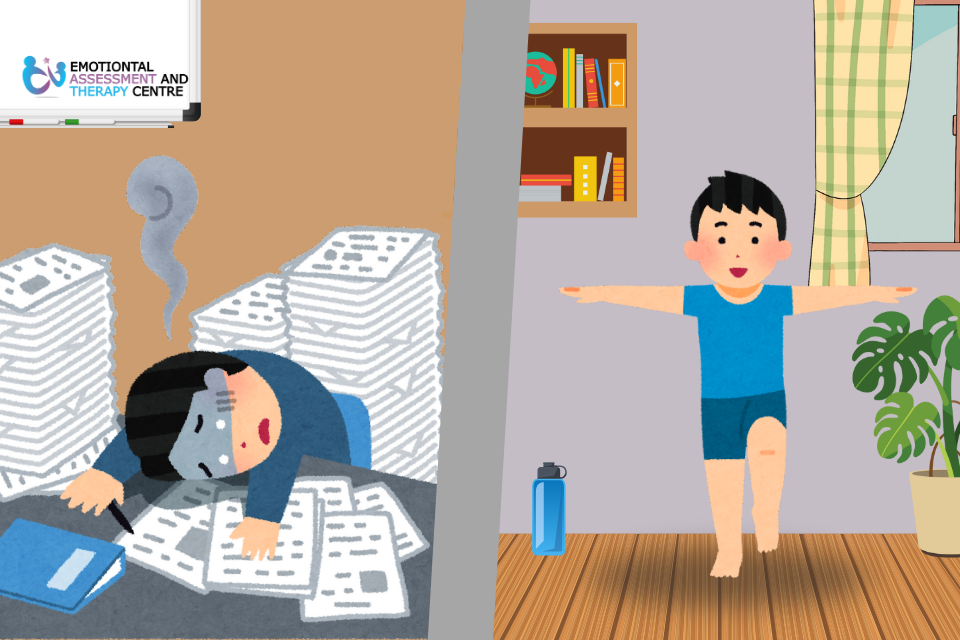
Burnout has become one of the defining challenges of our time. Across South Africa and the world, adults are navigating increasing pressure at work, financial uncertainty, relationship struggles, and the lingering effects of trauma and stress. According to the World Health Organization (WHO), burnout is not simply “being tired”—it is a state of chronic workplace stress that has not been successfully managed. Its symptoms include exhaustion, mental distance from work, and reduced effectiveness. Left unaddressed, burnout affects not only employees’ wellbeing but also family life, productivity, and workplace culture.
At Emotiontal Assessment and Therapy Centre, we meet daily with individuals and companies who are facing this silent epidemic. We see the cost of unrelenting stress, but we also see the possibility of healing, readiness, and resilience.
Understanding the Emotional Toll of Chronic Stress
Burnout is often misunderstood as a sign of weakness, when in fact it is the natural consequence of prolonged stress on the body and mind. Chronic stress floods the nervous system with cortisol, disrupts sleep, weakens immunity, and intensifies anxiety or depression. Adults experiencing burnout often describe:
- Constant fatigue, even after rest.
- Difficulty concentrating or making decisions.
- Feelings of helplessness or being “trapped” in routines.
- Withdrawal from colleagues, family, or friends.
- Physical symptoms such as headaches, chest pains, or digestive issues.
In South Africa, where many households carry both financial strain and heavy caregiving responsibilities, these pressures can feel overwhelming. For employers, burnout often shows up as absenteeism, reduced performance, workplace conflict, or high staff turnover.
Strategies for Building Resilience
Burnout does not resolve by ignoring it. Healing requires intentional steps at both individual and organisational levels. WHO and other global health bodies recommend proactive strategies such as:
For Individuals
- Set realistic boundaries: Saying no to excessive demands is not selfish—it is essential for recovery.
- Prioritise rest and sleep: A rested mind is far more resilient in the face of stress.
- Seek connection: Whether through therapy, family, or supportive groups, isolation deepens burnout while relationships promote healing.
- Practice small, daily resilience tools: Breathing exercises, journaling, physical activity, and mindfulness reduce the physiological load of stress.
- Ask for help early: Reaching out to a professional is a sign of strength, not failure.
For Workplaces
- Encourage open dialogue about mental health without stigma.
- Promote reasonable workloads and redistribute tasks during peak periods.
- Offer Employee Assistance Programs (EAPs) that provide access to counselling, assessments, and workshops.
- Invest in training managers to recognise early signs of burnout and respond with compassion.
- Celebrate balance: When companies model and reward balance, employees feel safer to prioritise their wellbeing.
The Role of Employers in Healing Environments
Burnout is not only an individual challenge; it is a workplace health issue. Employers who invest in wellbeing create environments where employees feel valued and supported. This, in turn, strengthens morale, loyalty, and productivity.
At Emotiontal Assessment and Therapy Centre, we have seen companies in Kempton Park, Midrand, and across South Africa transform their culture by embedding mental health support. Workshops on stress management, trauma-informed training, and access to confidential counselling services have helped staff regain balance and resilience.
Moving From Burnout to Balance
Burnout is not the end of the story. With compassionate support and structured interventions, individuals can recover and workplaces can thrive. Healing begins with recognising the signs and taking steps—both personally and corporately—toward balance.
At Emotiontal Assessment and Therapy Centre, we walk with individuals and workplaces toward healing and balance. Learn more at www.emotiontal.co.za or connect with us directly at psychologist@emotiontal.co.za