
The Link Between Trauma and Physical Health
May 26, 2026
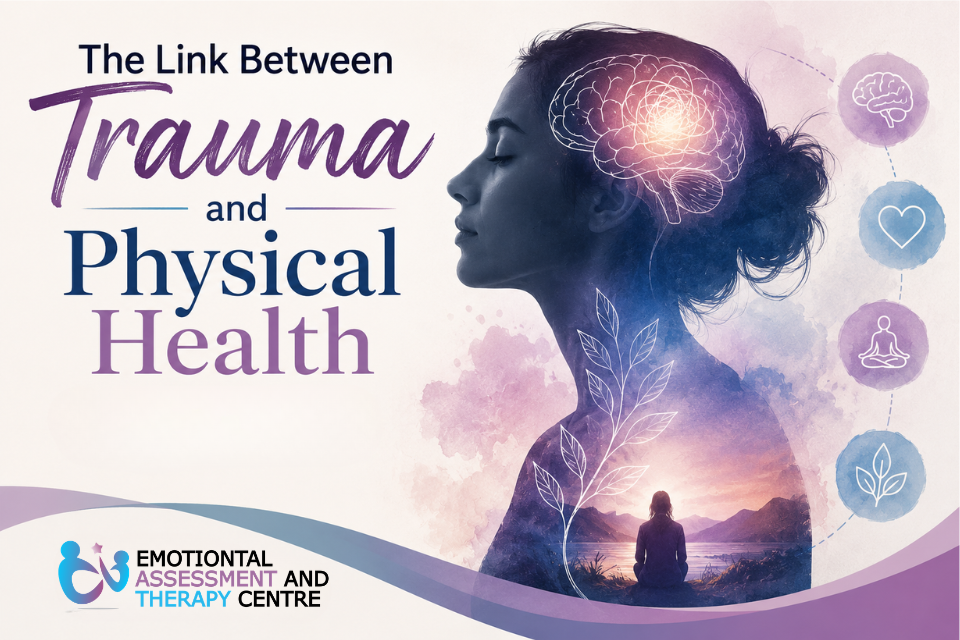
When people think about trauma, they often associate it with emotional pain, distressing memories, or psychological symptoms such as anxiety and depression. However, trauma does not only affect the mind — it also affects the body. Increasingly, mental health professionals and medical researchers recognize that unresolved trauma can contribute to a wide range of physical symptoms and chronic health difficulties.
The body and mind are deeply connected. Emotional experiences are processed not only cognitively but physiologically as well. Trauma can alter the nervous system, disrupt sleep, weaken the immune system, and leave individuals feeling physically exhausted, tense, and unwell long after the traumatic experience has ended.
Understanding the connection between trauma and physical health is important because many people silently suffer from symptoms without realizing that emotional distress may be contributing to their physical condition. Recognizing these links can help individuals seek the appropriate support and move toward healing in a more holistic way.
Understanding Trauma Beyond the Mind
Trauma refers to experiences that overwhelm a person’s ability to cope. These experiences may include abuse, violence, accidents, medical trauma, neglect, grief, loss, bullying, workplace trauma, community violence, or witnessing distressing events. Trauma may develop from a single event or from prolonged exposure to stress and instability over time.
When a person experiences trauma, the brain activates survival responses designed to protect the individual from danger. These responses include fight, flight, freeze, or fawn reactions. In moments of danger, these reactions are adaptive and protective. However, when trauma remains unresolved, the body can remain stuck in a prolonged state of stress and hypervigilance.
This means the nervous system may continue behaving as though danger is still present, even when the threat has passed. Over time, this chronic activation places significant strain on the body.
Trauma Stored in the Body
Many trauma survivors describe feeling tension, heaviness, pain, numbness, or discomfort in their bodies without understanding why. This has led to growing discussion around the idea that “the body keeps the score” — meaning traumatic experiences can become physically embedded in the body’s stress responses and physiological systems.
Trauma can become stored in patterns of muscle tension, breathing difficulties, gastrointestinal distress, chronic pain, and heightened physiological sensitivity. The body essentially learns to remain on alert. Muscles may stay tense in anticipation of danger, stress hormones may remain elevated, and the body may struggle to return to a calm and regulated state.
For example, individuals who have experienced prolonged emotional stress may unconsciously clench their jaw, tighten their shoulders, or experience chronic neck and back pain. Others may develop stomach problems, chest tightness, or physical fatigue that medical tests alone cannot fully explain.
This does not mean the symptoms are “imagined” or “all in the head.” The physical symptoms are very real. Trauma creates measurable biological and neurological changes that can significantly affect overall health and daily functioning.
Sleep and Nervous System Dysregulation
One of the most common effects of trauma is disruption of the nervous system and sleep patterns. The nervous system is responsible for helping the body move between states of alertness and rest. After trauma, this system can become dysregulated, making it difficult for the body to feel safe enough to relax.
Many individuals with trauma histories experience:
- Difficulty falling asleep
- Frequent waking during the night
- Nightmares or vivid dreams
- Restless or poor-quality sleep
- Fear of sleeping
- Feeling exhausted despite sleeping for many hours
The body’s stress response system may remain overactivated, causing increased adrenaline and cortisol levels. As a result, the brain stays alert for possible threats, even during times meant for rest. Some people describe feeling “on edge” constantly, while others experience emotional numbness or shutdown.
Chronic sleep disruption can then worsen physical and emotional health. Poor sleep affects concentration, memory, mood regulation, immune functioning, blood pressure, and energy levels. Over time, it may contribute to burnout, depression, anxiety disorders, and increased vulnerability to physical illness.
The relationship between trauma and sleep often becomes cyclical: trauma disrupts sleep, and poor sleep reduces the body’s ability to recover emotionally and physically.
Headaches, Fatigue, and Chronic Physical Symptoms
Trauma frequently manifests through physical complaints that may initially appear unrelated to mental health. Some of the most common symptoms include chronic headaches, migraines, body aches, digestive issues, fatigue, dizziness, and muscle pain.
Stress hormones released during prolonged emotional distress place strain on the body’s systems. Muscles remain tense, inflammation may increase, and the body uses significant energy trying to maintain survival mode. This constant internal strain can leave individuals feeling physically depleted.
Fatigue related to trauma is often more than ordinary tiredness. Individuals may feel emotionally and physically exhausted even after rest. Everyday activities may feel overwhelming because the nervous system is working continuously to monitor for danger and manage stress responses.
Headaches and migraines are also commonly associated with trauma and chronic stress. Emotional tension often accumulates physically in the neck, shoulders, scalp, and jaw, contributing to persistent pain and discomfort.
Additionally, trauma may worsen existing medical conditions such as hypertension, autoimmune disorders, gastrointestinal difficulties, or chronic pain conditions. While trauma may not directly cause every illness, ongoing stress can significantly impact the body’s ability to regulate and heal itself effectively.
Anxiety and Physical Symptoms
Anxiety is not only an emotional experience — it is also a physical one. Many people living with trauma experience anxiety through bodily sensations before they even recognize the emotional component.
Common physical symptoms of anxiety may include:
- Rapid heartbeat
- Chest tightness
- Shortness of breath
- Sweating
- Trembling
- Nausea
- Dizziness
- Tingling sensations
- Stomach cramps
- Muscle tension
For trauma survivors, the body may become highly sensitive to stress triggers. Situations that remind the person of past experiences — even subconsciously — can activate intense physiological responses. Sometimes individuals begin fearing the physical symptoms themselves, leading to panic attacks or heightened health anxiety.
This can become confusing and frightening, particularly when medical investigations do not reveal a clear physical cause. Many individuals begin feeling misunderstood, invalidated, or frustrated when their symptoms persist despite treatment.
It is important to understand that trauma-related physical symptoms are genuine physiological responses to emotional distress and nervous system dysregulation. The body is responding as though it is trying to survive a threat, even when the threat is no longer present.
The Importance of Psychological Support
Because trauma affects both emotional and physical health, healing often requires a holistic and compassionate approach. Psychological support plays a critical role in helping individuals process traumatic experiences, regulate their nervous systems, and reconnect with their bodies in healthier ways.
Therapy provides a safe and structured environment where individuals can begin understanding how trauma has affected them emotionally, cognitively, behaviorally, and physically. Through psychological support, individuals may learn:
- Emotional regulation skills
- Stress management techniques
- Grounding and relaxation strategies
- Healthy coping mechanisms
- Mindfulness and body-awareness skills
- Trauma processing techniques
- Sleep hygiene strategies
- Self-compassion and emotional resilience
Approaches such as Cognitive Behavioural Therapy (CBT), trauma-focused therapy, psychodynamic therapy, mindfulness-based interventions, and Dialectical Behaviour Therapy (DBT) can help individuals gradually restore a sense of safety within themselves.
In some cases, healing may also involve collaboration between mental health professionals, medical practitioners, physiotherapists, occupational therapists, or support systems to address both the emotional and physical impact of trauma.
Importantly, seeking psychological support is not a sign of weakness. It is a proactive and courageous step toward healing. Early intervention can prevent symptoms from worsening and improve both mental and physical well-being over time.
Final Thoughts
Trauma is not only remembered emotionally — it is experienced physically. The effects of trauma can shape how the body sleeps, responds to stress, processes emotions, and maintains physical health. Symptoms such as chronic fatigue, headaches, anxiety, pain, and nervous system dysregulation are often interconnected with unresolved emotional distress.
Understanding these connections helps reduce shame and self-blame for those who are struggling. Many people carry invisible wounds that affect their bodies as much as their minds. Healing begins when individuals are met with compassion, understanding, and appropriate support.
Mental health care and physical health care should not exist separately. When trauma is acknowledged and treated holistically, individuals are better able to regain balance, restore their well-being, and move toward healthier and more fulfilling lives.