Why Every Nursery and Primary School Should Have Staff Trained in Child First Aid
March 13, 2026
Schools are places where children learn, play, explore, and grow. From busy classrooms to energetic playgrounds, nursery and primary schools are full of activity throughout the day. While this environment is wonderful for learning and development, it also means that minor accidents and unexpected medical emergencies can happen.
Teachers and school staff are often the first adults present when a child is injured or suddenly becomes unwell. In those first critical moments, knowing how to respond calmly and effectively can make an enormous difference.
For this reason, child first aid training for school staff is not just helpful — it is essential. It helps schools create safer environments, supports teachers in responding confidently to emergencies, and ultimately protects the children in their care.
Schools Are Where Many Childhood Accidents Occur
Children spend a large portion of their day at school. During this time they are:
- Running and playing during break times
- Participating in sports and physical activities
- Eating snacks and lunch
- Exploring playground equipment
- Taking part in practical learning activities
With so much movement and interaction, it is inevitable that some accidents will occur.
Most incidents are minor — scraped knees, bumps, or small cuts. However, there are times when a situation can become more serious, such as choking, allergic reactions, breathing difficulties, or significant injuries from falls.
When these situations arise, trained staff can act quickly and confidently, helping to stabilise the child while waiting for professional medical help if needed.
The First Few Minutes Can Be Critical
In many medical emergencies, the first few minutes are the most important.
For example, if a child’s airway becomes blocked due to choking, oxygen cannot reach the brain. Without intervention, serious complications can occur within minutes.
Similarly, in cases where a child stops breathing or becomes unresponsive, early CPR and first aid intervention can significantly improve outcomes while waiting for emergency services.
Teachers and school staff are usually the closest adults to the child at the time of the incident, which means their response can play a vital role in those critical moments.
First aid training equips staff with the knowledge and practical skills needed to respond effectively until professional help arrives.
Common Emergencies That Can Happen in Schools
Although every school environment is different, there are several emergencies that teachers and staff may encounter.
Choking
Young children are still developing chewing and swallowing skills, which makes choking a real risk — especially during snack and lunch times.
Foods such as grapes, popcorn, nuts, and pieces of sausage can easily become choking hazards if not eaten carefully.
Knowing how to recognise choking and perform the correct first aid techniques can help clear a blocked airway quickly.
Playground Injuries
Playgrounds are wonderful spaces for children to develop balance, strength, and confidence. However, they are also a common location for injuries.
Falls from climbing frames, swings, and slides can lead to:
- Sprains
- Fractures
- Head injuries
- Cuts and bruises
First aid training helps staff recognise when an injury is minor and when a child needs further medical evaluation.
Allergic Reactions
Food allergies are increasingly common among children. Some children may experience mild reactions such as rashes, while others may develop severe allergic reactions known as anaphylaxis.
Recognising the early signs of a serious allergic reaction — including swelling, difficulty breathing, or sudden weakness — is essential for ensuring that the child receives urgent care.
Schools that have staff trained in first aid are better equipped to recognise these signs quickly and respond appropriately.
Asthma Attacks
Many children live with asthma, and schools often care for students who require inhalers or other medication.
Asthma attacks can occur unexpectedly, particularly during physical activity or when children are exposed to triggers such as dust or cold air.
Teachers trained in first aid can help identify the warning signs of breathing distress and assist the child in using their medication while arranging further medical support if needed.
Sprains, Strains and Broken Bones
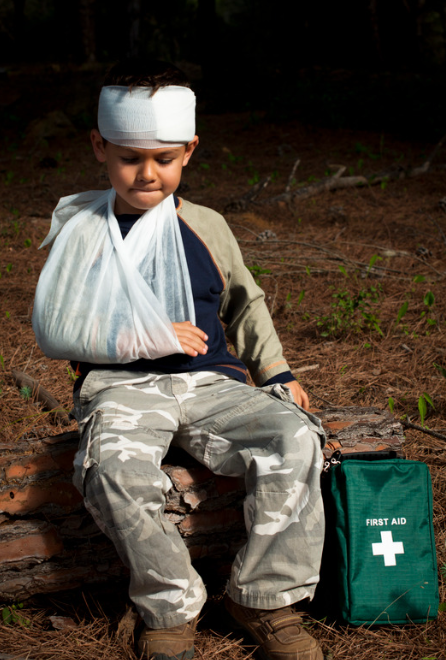
Active play is an important part of childhood development, especially in nursery and primary school environments. However, with running, climbing, sports activities, and playground games, injuries such as sprains, strains, and occasionally broken bones can occur.
Children may twist an ankle while running, fall awkwardly from playground equipment, or injure an arm during sports or physical education activities.
Signs of a more serious injury may include:
- Significant swelling
- Severe pain
- Difficulty moving or using a limb
- Visible deformity
- A child refusing to put weight on an arm or leg
Staff trained in first aid can help stabilise the injury, keep the child comfortable, and prevent further harm while arranging appropriate medical care.
Knowing how to respond calmly in these situations can help reduce distress for the child and ensure they receive the care they need as quickly as possible.
Training Builds Confidence for Teachers and Staff
Many teachers worry about how they might react during an emergency. It is natural to feel anxious when responsible for the safety of many children at once.
Child first aid training helps address these concerns by providing practical knowledge and hands-on experience.
During training, staff can learn how to:
- Recognise signs of medical emergencies
- Respond to choking in babies and children
- Perform CPR
- Manage allergic reactions
- Treat burns, bleeding, and injuries
- Support breathing emergencies
Practising these skills in a structured learning environment helps build confidence so that staff feel prepared rather than overwhelmed if a real emergency occurs.
Creating a Culture of Safety in Schools
When schools prioritise first aid training, they demonstrate a strong commitment to the wellbeing of their students.
This approach helps create a culture of safety, where staff members understand their role in protecting children and responding effectively when needed.
Parents also feel reassured knowing that the adults caring for their children are trained to respond to emergencies.
In many ways, first aid training strengthens the partnership between schools and families, as both share the same goal: keeping children safe.
Prepared Schools Respond Better to Emergencies
Preparedness makes a meaningful difference in how emergencies are handled.
Schools that invest in staff training are more likely to have:
- Clear emergency procedures
- Staff who remain calm under pressure
- Faster response times during incidents
- Improved communication with emergency services
This level of readiness helps reduce panic and allows staff to focus on supporting the child involved.
First Aid Skills Benefit the Whole School Community
Child first aid training does not only benefit the children involved in an emergency. It also supports the wider school community.
Teachers who feel confident in their emergency response skills are often more comfortable supervising activities such as sports days, excursions, and outdoor play.
Support staff, coaches, and aftercare supervisors can also benefit from training, ensuring that children are protected throughout the entire school day.
In many cases, these skills extend beyond the school environment as well. Teachers frequently report using first aid knowledge to assist family members, friends, or members of the community outside of school.
Empowering Schools to Protect Children
At its heart, child first aid training is about empowerment. It provides school staff with the tools they need to act quickly, safely, and effectively when a child needs help.
While schools cannot prevent every accident, they can ensure that their staff are prepared to respond when emergencies occur.
By investing in first aid training, nursery and primary schools take an important step toward creating safer environments where children can learn and thrive.
Prepared staff, informed decision-making, and practical lifesaving skills all contribute to protecting the wellbeing of every child in the classroom and playground.