World Hypertension Day: Understanding the Silent Impact of High Blood Pressure on Physical and Mental Wellbeing
May 26, 2026
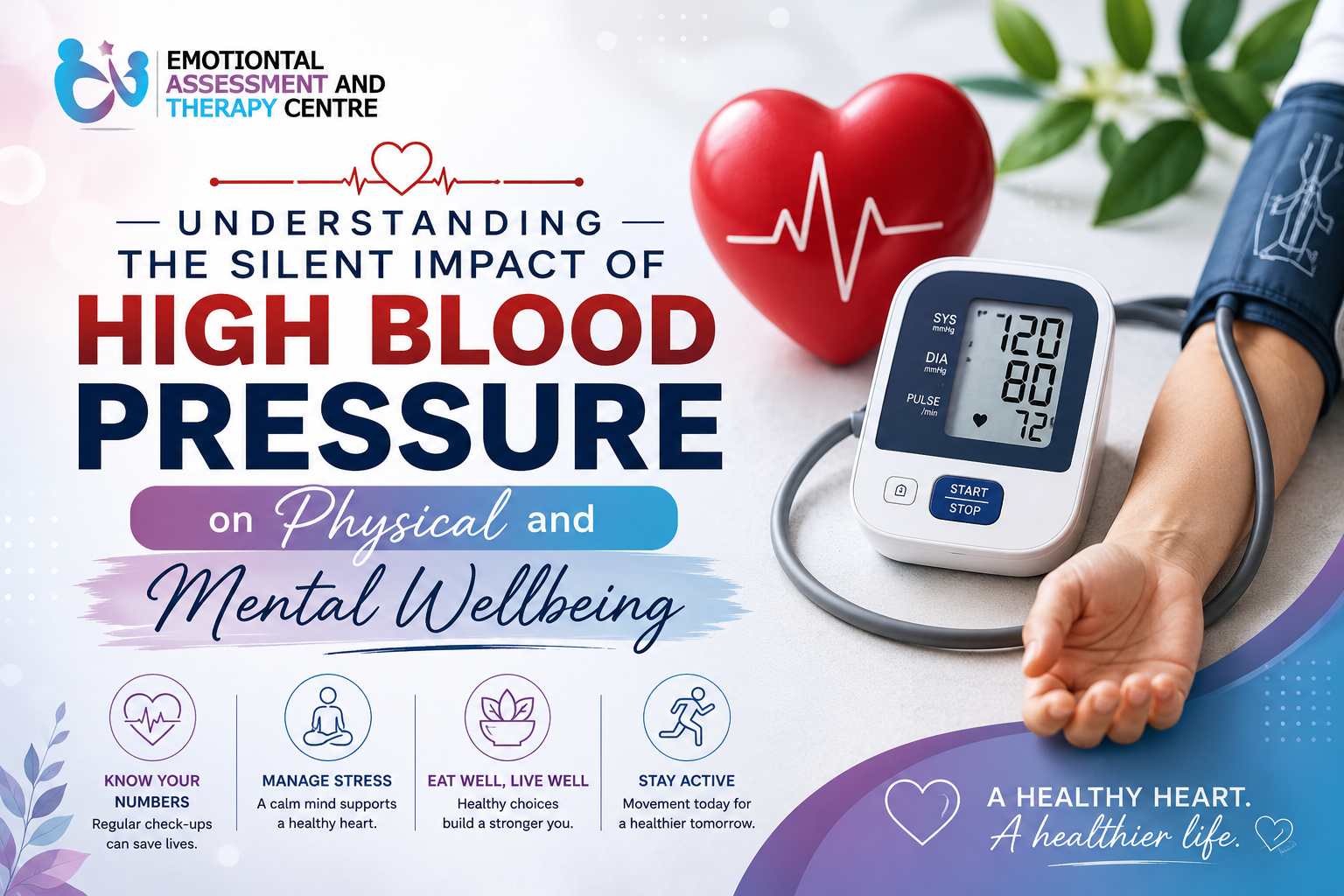
Every year on 17 May, World Hypertension Day is observed globally to raise awareness about hypertension, commonly known as high blood pressure. Despite being one of the most common health conditions worldwide, hypertension often goes unnoticed because many individuals may not experience obvious symptoms until serious complications develop. This is why hypertension is frequently referred to as the “silent killer.”
At Emotiontal Assessment and Therapy Centre, we believe that awareness, education, prevention, and holistic wellness are essential in helping individuals lead healthier and more balanced lives. World Hypertension Day reminds us that caring for our physical health and emotional wellbeing are deeply connected, and both deserve equal attention.
High blood pressure occurs when the force of blood pushing against the walls of the arteries remains consistently too high over time. While occasional increases in blood pressure may happen due to stress, exercise, or emotional reactions, chronic hypertension places significant strain on the heart, blood vessels, kidneys, and other organs. Over time, untreated hypertension can contribute to serious health complications such as heart disease, stroke, kidney failure, and vision problems.
One of the most concerning aspects of hypertension is that many individuals may live with the condition for years without realizing it. Some people only discover they have high blood pressure after experiencing severe symptoms or medical emergencies. Because symptoms are often absent or subtle, regular health screenings and monitoring are extremely important.
Several factors can contribute to the development of hypertension. Lifestyle habits such as poor diet, lack of physical activity, smoking, excessive alcohol consumption, chronic stress, and inadequate sleep can increase risk. Genetics, age, obesity, and underlying medical conditions may also play a role.
In today’s fast-paced world, stress has become a major contributor to both physical and mental health difficulties. Many individuals experience ongoing pressure related to finances, work demands, caregiving responsibilities, academic stress, family challenges, and social expectations. Chronic stress affects the body in multiple ways, including increasing heart rate, elevating blood pressure, and disrupting healthy coping mechanisms.
Mental health and cardiovascular health are more connected than many people realize. Emotional distress, anxiety, burnout, unresolved trauma, and chronic stress can influence physical health outcomes. When stress becomes overwhelming and prolonged, the body remains in a heightened state of tension, which may negatively impact blood pressure regulation and overall wellbeing.
At the same time, living with chronic health conditions such as hypertension can also affect emotional health. Individuals diagnosed with hypertension may experience anxiety about their health, fear regarding future complications, emotional exhaustion, lifestyle frustrations, or difficulty adjusting to long-term health management. Some people may struggle with motivation, emotional eating, low self-esteem, or feelings of helplessness after diagnosis.
This highlights the importance of holistic healthcare that addresses both the body and the mind. Managing hypertension is not only about medication or blood pressure readings — it also involves emotional wellness, healthy coping strategies, lifestyle balance, and sustainable self-care practices.
Small daily habits can make a meaningful difference in reducing the risk of hypertension and improving overall health. Healthy lifestyle choices may include maintaining a balanced diet, reducing excessive salt intake, staying physically active, getting adequate rest, managing stress effectively, limiting alcohol consumption, and attending regular medical check-ups.
Equally important is learning how to care for emotional wellbeing. Practices such as mindfulness, relaxation techniques, therapy, emotional support, healthy boundaries, and stress management interventions can positively impact both mental and physical health. Taking time to rest and recover should not be viewed as laziness, but rather as an important part of maintaining long-term wellbeing.
Many people delay seeking support because they become accustomed to functioning under high levels of stress and pressure. Society often normalizes burnout, emotional exhaustion, and chronic stress, especially among working professionals, caregivers, and parents. However, ignoring emotional strain does not make it disappear. Over time, unaddressed stress can affect sleep, concentration, relationships, physical health, and overall quality of life.
World Hypertension Day encourages us to become more proactive about our health rather than waiting for crises to occur. Prevention, early detection, and education remain some of the most powerful tools in reducing the impact of hypertension within communities.
It is also important to recognize that healthcare is not only an individual responsibility. Families, workplaces, schools, healthcare systems, and communities all play a role in promoting healthier lifestyles and supportive environments. Workplaces can encourage employee wellness programmes and healthier work-life balance practices. Families can support healthier routines and emotional openness. Communities can continue creating awareness and reducing stigma around both physical and mental health challenges.
At Emotiontal Assessment and Therapy Centre, we encourage individuals to prioritize both their emotional and physical wellbeing. True wellness involves caring for the whole person — mind, body, emotions, and relationships.
As we observe World Hypertension Day, let us remember that health is not only about surviving, but about living well. Small changes made consistently over time can lead to meaningful improvements in quality of life.
Know your numbers.
Listen to your body.
Manage stress with compassion.
Seek support when needed.
And remember that taking care of your health is one of the most valuable investments you can make in yourself and your future.
Your heart matters. Your wellbeing matters. And your health deserves attention every day. 💚